By Kevin Howe
Board Member, Ecologist, Master Naturalist
Nearly everyone recognizes and appreciates frogs and toads. They are mostly cute, small, never bite and eat insects. What’s not to love? I think most people would be stunned to know that Virginia has 28 different species of frogs and toads. In fact, Virginia ranks second as the state with the most species -- Florida ranks first with 33 species. We are a hotspot for frog diversity.
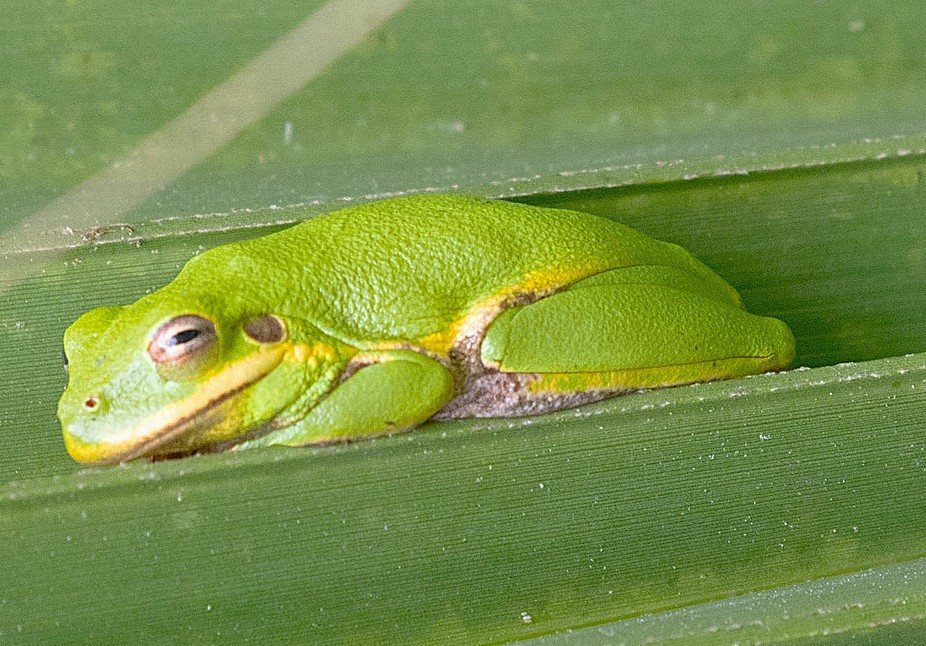
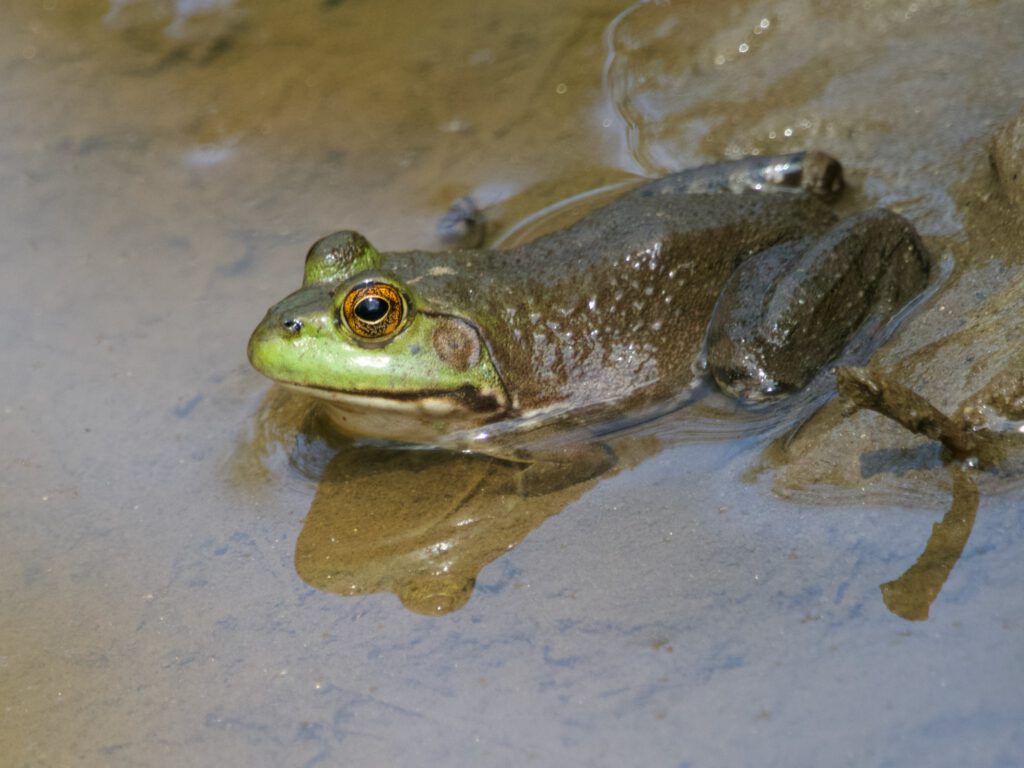
 Here in the Northern Neck, we have 16 species that have been recorded ranging from the 1.5 inch Eastern Cricket Frog or Upland Chorus Frog to the 8 inch American Bullfrog. Some of these have been found in all our counties, others just in one county. Interestingly and proudly, one species, the Squirrel Treefrog, has only been recorded in Northumberland County and we have found it at Northern Neck Land Conservancy’s Bayview property.
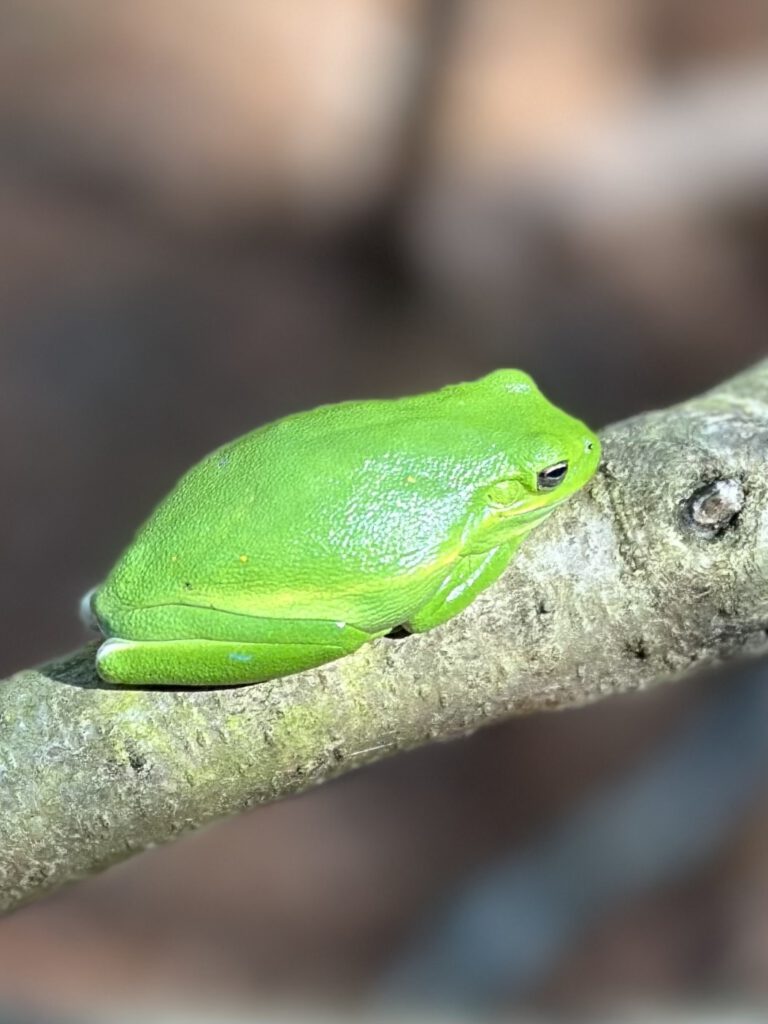
Our Bayview property has recorded seven of the Northern Neck species, and we continue to search for others. The Southern Leopard Frog has been seen most often at Bayview, but all the others seen there include the Squirrel Treefrog, Green Treefrog, Cope’s Gray Treefrog, Eastern American Toad, Northern Cricket Frog, and Fowlers Toad.
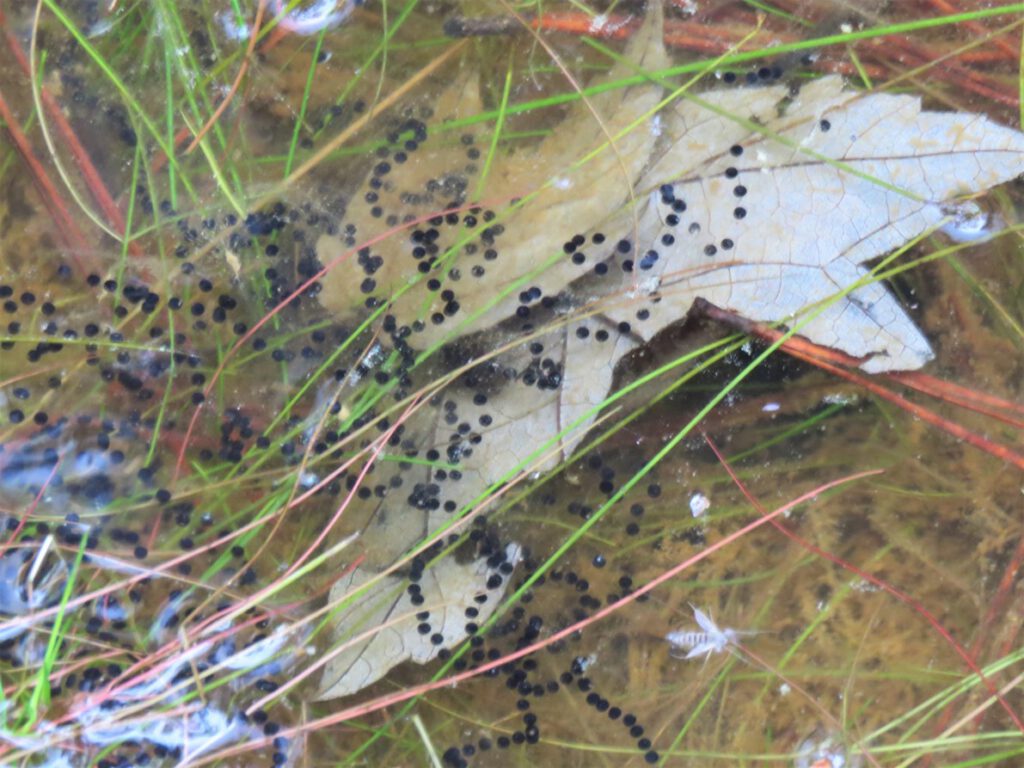
All of our Virginia frogs and toads lay their eggs in temporary or permanent waters, never on land. And all go through an egg, larval, and adult stage. The egg stage lasts anywhere from 3 to 30 days for our frogs while the larvae (tadpole) stage varies from 30 days in some treefrogs to 90 days in a Green Frog to up to two years in the American Bullfrog. Our smaller frogs, like the treefrogs and Northern Cricket Frogs breed in temporary waters, often called vernal pools because they appear in the spring then dry up. Such waters are free of fish which would, if present, be a voracious predator on frog eggs and larvae. Our larger species such as Bullfrog, American Toad and Green Frog inhabit larger and more permanent water bodies. The habitats have more vegetation for eggs and tadpoles to hide in; vernal pools typically have little vegetation.
All of these species breed in early spring and may continue into October. The Upland Chorus Frogs start in February with the others following in March/April. Most breeding occurs after a warm spring rain, as you may realize when you see frogs hopping across roads at night during these warm rains. While males “sing-call-croak” loudly and frequently to attract a mate, females also call but less so and it is for distress or territory announcement.
 Most species migrate back to their birthplace to breed every year. Their ability to do such precise homing is still mystifying but research indicates they use visual, olfactory, and auditory clues to find their birthplace. Further, some species have been found to use the Earth’s magnetic field to orient much like we use a compass, except their compass is their brain. Absolutely fascinating!
In general, the larger the frog/toad, the longer it can live, 10-15 years, while the smaller species live around five years. Lots of animals, (i.e. fish, snakes, and birds) eat frogs and toads, so many likely don’t live long enough to retire to a ripe old age.
Available from the Virginia Department of Wildlife Resources is a wonderful booklet entitled “A Guide to the Frogs and Toads of Virginia” for a small fee. But a free guide to all of Virginia’s amphibians and reptiles is available online at https://www.virginiaherpetologicalsociety.com -- this has tons of info plus photos - a real encyclopedia of our Virginia frogs and their relatives -- check it out.
Watch for next month’s nature article which will cover the Double-breasted Cormorant, a common water bird we see throughout Virginia but most common along the bay.
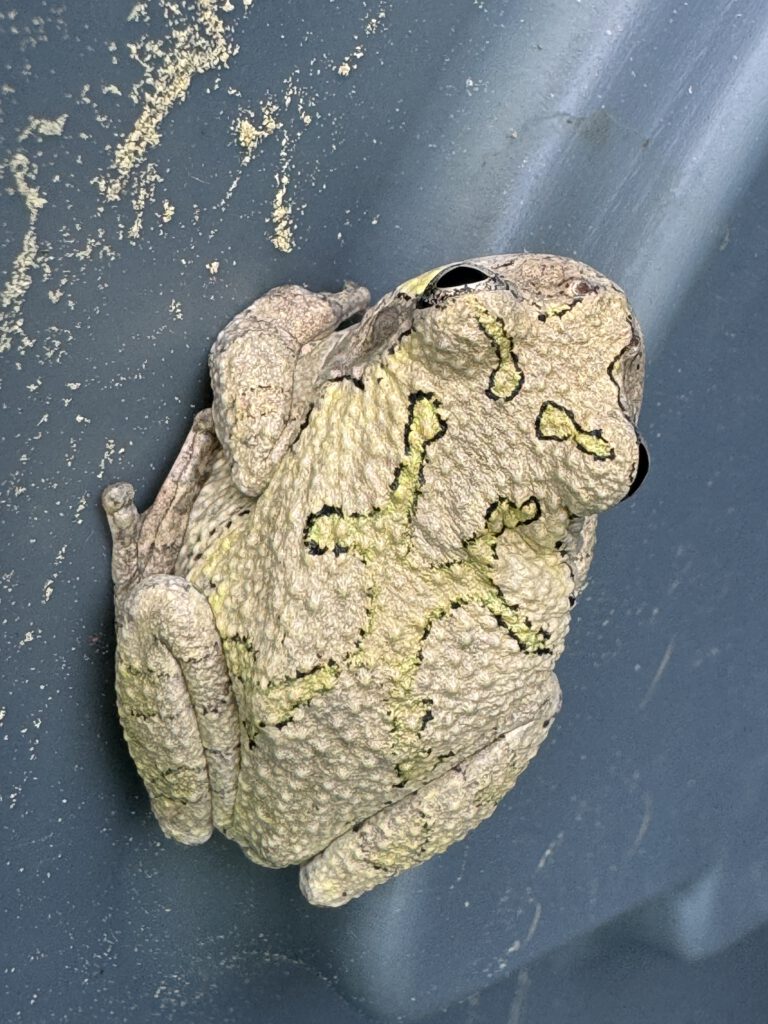
Photo Credits and Captions:
Featured: Squirrel Treefrog -- A Squirrel Treefrog’s rain call sounds like a squirrel’s chatter. Kevin Howe
Photo 1: Green Treefrog -- Green Treefrogs spend much of their time latched onto trees with their suction cup toes. Lisa Biever
Photo 2: Frog Eggs -- Frog eggs look like a string of beads. Kevin Howe
Photo 3: American Bullfrog -- The American Bullfrog is the largest in the US. It croaks like a roaring bull. Kevin Howe
Photo 4: Cope’s Gray Treefrog -- Cope’s Gray Treefrog is named for 19th century biologist Edward Drinker Cope, who discovered over 1,000 new vertebrate species. Kevin Howe